Educate, Energize, Engage
Knox County celebrates Black history through education, remembrance, music, and community events.
Read Another Article


First, you buy a bag of marbles. Then every time you pick up a rock, you replace it with a marble. When you’ve lost all of your marbles, you become a rockhound. I don’t know who wrote this but a friend of mine had it on the wall of his rock shop.
I collect rocks, minerals and fossils, but my main interest is in gemstones; both rough and cut and polished.
I grew up in Oaktown and started collecting in the gravel pits in Knox County and in the gravel bars along the Wabash River west of Oaktown. There was a working gravel pit west of Oaktown on Airport Road. There were piles of gravel next to the road sorted by size. There was pea gravel up to 8 inches or more in length. Because this gravel was brought down by glaciers, there were many different types of rocks in it.
Indiana’s bedrock is sedimentary, laid down by ancient seas. It consists of limestone, sandstone and shales. However, in the gravel you can find rocks of all three types; Sedimentary, Metamorphic and Igneous. Under heat and pressure, which occurs underground, Sedimentary and Igneous rocks can be changed into Metamorphic rocks. Sandstone is turned to Quartite and Limestone becomes marble and shale becomes slate. The Igneous rock, granite, becomes gneiss (pronounced nice).
All of these can be found in the gravel of Indiana. Fossils are the remains of ancient animals and can also be found in gravel. The most common fossils are the so called, “Indian Beads.” These are fossils of the Crinoid or Sea Lily. You may also find fossil shells and corals. Indiana has numerous limestone and sandstone quarries.
All rocks are made up of minerals. Some rocks, like Granite, are made up of more than one mineral while sandstone and limestone are made up almost entirely of one mineral. Granite is commonly made up of feldspar, quartz and mica. Sandstone is made of quartz and limestone is made up of either calcite or dolomite, usually calcite. Minerals all have specific chemical compositions.
Most mineral collections start out as general collections and sooner or later most collectors begin to specialize. The collection might be all minerals containing copper or iron in their composition. Collections could include only fluorite forms in different shaped crystals. What makes mineral collecting so interesting is that no two specimens are exactly alike. Every collection will be unique. Some collectors only have micromounts. These are small specimens that must be viewed under a microscope to appreciate their beauty. There are more than three thousand known minerals. Some are so rare that only a few specimens exist. The most important thing about any collection is labels. Even if you don’t know what you have, always record the location where it was found. Sometimes the location can help to identify an unknown specimen. Many books are available to help identify rocks, minerals and fossils.
Knox County Public Library’s collections of books on this topic includes but isn’t limited to the following:
There are many magazines devoted to rocks and minerals. Rock and Gem magazine is a monthly publication. It contains articles about collecting in different places in the U.S. It also has a list of upcoming mineral shows conducted throughout the U.S. In our area, there are shows at the Lawrence County, Indiana Fairground near Bedford. There’s a show at Hancock County Indiana Fairground in Greenfield. There’s an annual show at the Washington Square Mall in Evansville on the last weekend in October. Going to these shows is like visiting museums where you see specimens from all over the world. I’ve attended mineral shows in several states: Indiana, Illinois, Ohio, Tennessee and North Carolina. I also attended a show in Bancroft, Ontario, Canada. The largest mineral show in the United States is held each year in Tucson, Arizona.
The Indiana State Museum in Indianapolis has a good mineral collection on display. There’s also an excellent fossil collection there.
I started my main collection when I was 15 years old. The first mineral show that I attended was in 1966 at Roberts Stadium in Evansville. For several years I was a member of the Midwest Chapter of Friends of Mineralogy. They had field trips in various quarries to collect mineral specimens. I collected with this group in Indiana, Ohio, Kentucky, Illinois and Canada.
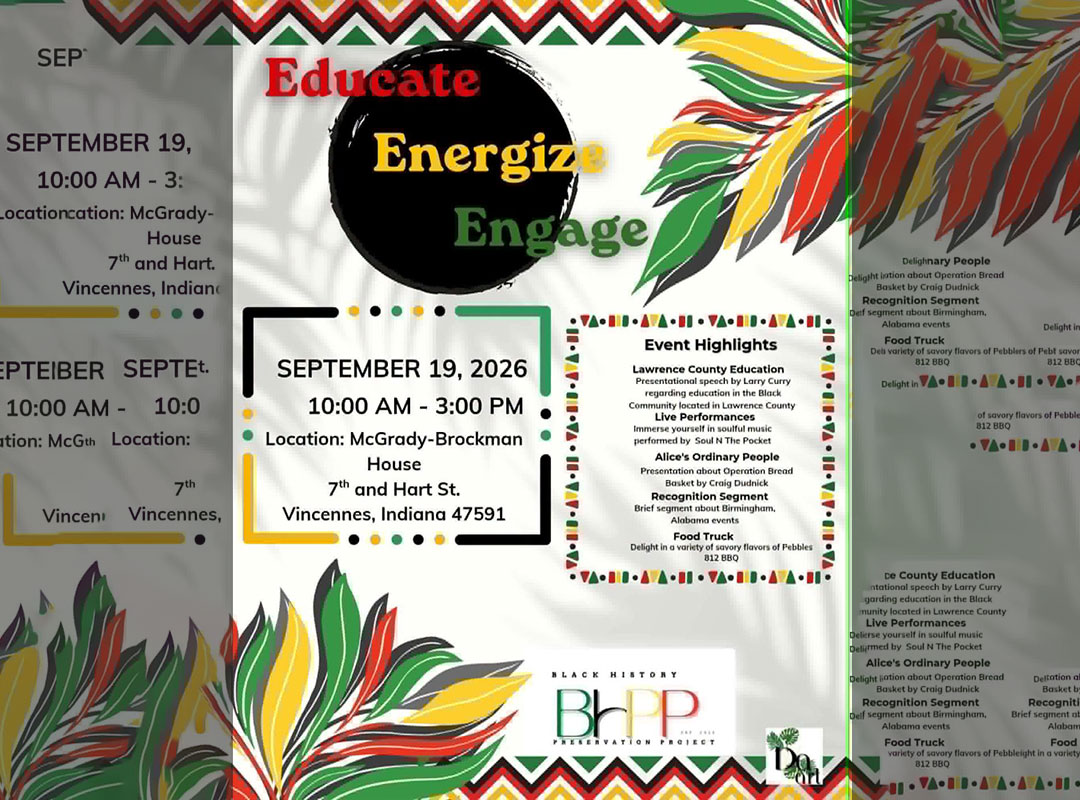
Knox County celebrates Black history through education, remembrance, music, and community events.
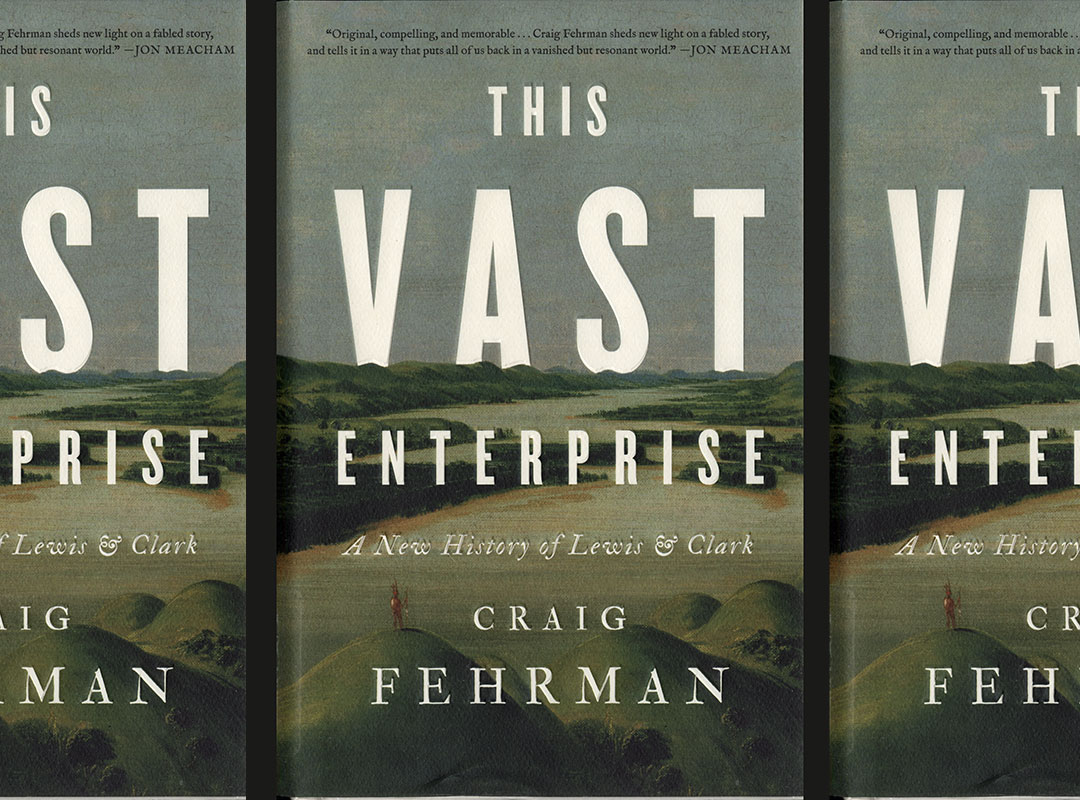
Craig Fehrman’s book offers a broader, humanized history of Lewis and Clark’s expedition.
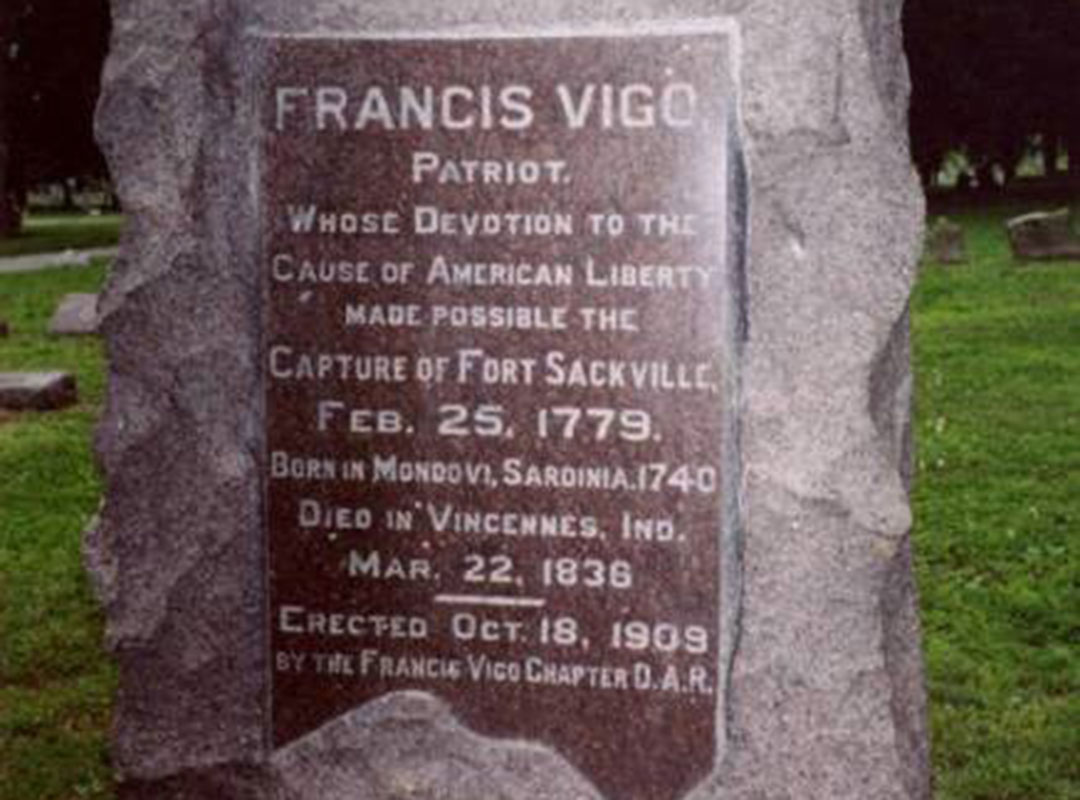
Vincennes cemeteries preserve history, honor lives, and provide peaceful community spaces.